Jujutsu Kaisen and Goryō Shinkō: Why Japan Turns a Vengeful Curse Into a God
How Jujutsu Kaisen dramatizes goryō shinkō — the Japanese belief that turns a wronged spirit's resentment into a curse, then enshrines it as a worshipped god.

Tokyo-born, 3rd-generation Edokko · writing on Japanese culture from outside Japan
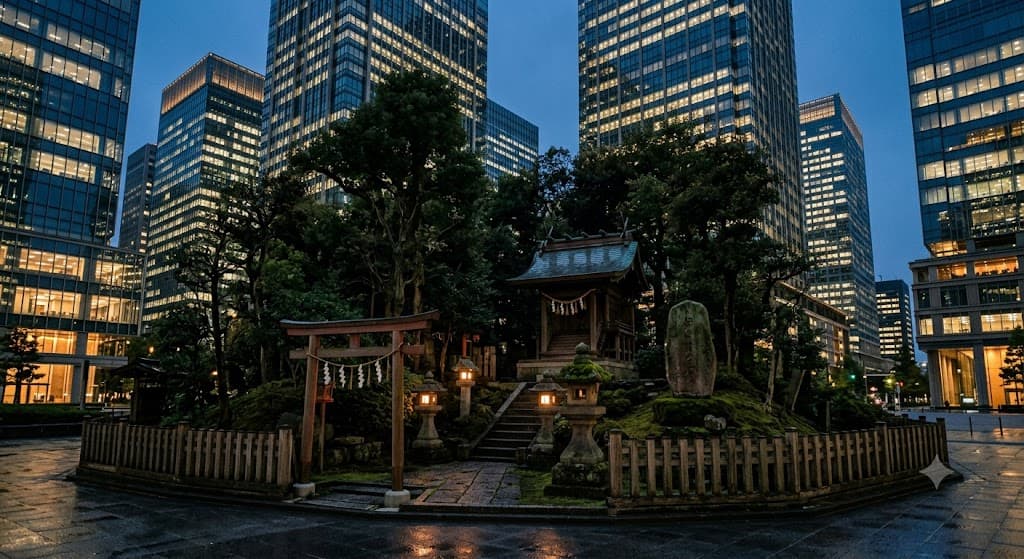
Spoiler-Free Cultural Analysis
This article looks only at the cultural and religious ideas behind the first episode of Jujutsu Kaisen — the real Japanese belief that grief and grievance can become a force, and even a deity. It discusses themes and historical background, not later plot turns.
Key Takeaways
- In Jujutsu Kaisen, "curses" are born from human negative emotion — pain, regret, shame. That premise is not invented for the anime; it draws directly on a centuries-old Japanese idea that strong unhappy feelings linger and gain power.
- Japan developed a distinctive religious response called 御霊信仰 (Goryō Shinkō: belief in placating wrathful spirits) — the practice of calming a vengeful ghost not by destroying it, but by enshrining it as a god.
- The most famous example, 菅原道真 (Sugawara no Michizane), was a wronged courtier feared as a curse, then deified — and is now beloved as the god of learning whom students visit before exams.
Key Terms Explained
- 怨霊 (Onryō) / Vengeful Spirit — The ghost of someone who died with unresolved resentment, believed to cause disasters, illness, and death among the living.
- 御霊信仰 (Goryō Shinkō) / Faith in Placated Spirits — The belief that an onryō can be soothed and turned into a protective deity through enshrinement and ritual respect.
- 天神 (Tenjin) / Heavenly Deity — The divine name given to Sugawara no Michizane after his death; today worshipped as the patron of scholarship.
- 鎮める (Shizumeru) / To Pacify — The core verb of this whole tradition: not to defeat or banish, but to settle and quiet a dangerous power.
- 祟り (Tatari) / Divine Curse or Retribution — Misfortune sent by an angry spirit or deity when it is neglected or offended.
The School and the Hospital That Felt Heavier Than the Rest
When the young sorcerer Fushiguro in Jujutsu Kaisen explains that resentment gathers easily in schools and hospitals — that pain, regret, and shame are the source of curses — I did not hear it as a clever fantasy rule. I heard something I already carried in my body from childhood.
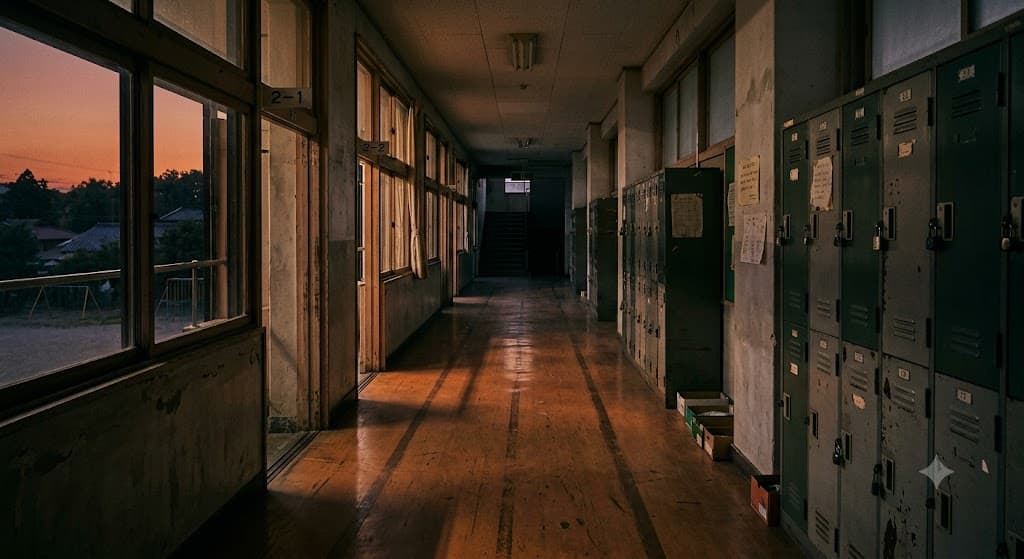 Schools and hospitals — places saturated with pain and parting — are where Jujutsu Kaisen says curses gather, echoing a real Japanese folk intuition.
Every school I attended came packaged with its own ghost stories: the portrait in the music room whose eyes followed you, the science room after dark, the one stall in the bathroom no one wanted. I knew, intellectually, that these were just tales. I was frightened anyway. And much later, as an adult, walking into an old hospital or a long-used building, I would feel something I could not justify — the air sitting heavier on my shoulders, an unease with no reason attached to it. Some places, I felt without being taught, hold things. Places where many people have passed through pain and parting seemed to keep a residue.
What Jujutsu Kaisen does in its very first episode is take that vague childhood intuition and state it out loud as the law of its world. The anime's "curse" is not random horror. It is the visible form of an idea most Japanese absorb long before they can name it: that human negative emotion does not simply vanish. Sometimes it stays. Sometimes it gains weight.
Related: Naruto and Hitobashira: Why Japan Seals a Monster Inside a Body Instead of Killing It explains this in detail.
How Japan Decided That Resentment Could Become a God
The thread running from a fictional cursed finger back through Japanese history is not subtle once you look. The country built an entire religious response around the conviction that a person's unresolved anger could outlive the body and shape the fortunes of the living.
From Onryō to Kami
In Japanese belief, a 怨霊 (Onryō: vengeful spirit) is the ghost of someone who died wronged, betrayed, or full of regret. The idea was that such resentment did not stay quiet underground. It returned — as plague, as lightning, as drought, as a string of unexplained deaths. This is the same logic Jujutsu Kaisen runs on: goryō are the vengeful spirits of the dead whose lives were cut short, and they were thought to influence the living world directly.
What is striking — and genuinely unusual on a world scale — is the solution Japan arrived at. Rather than exorcising or banishing the angry dead, people chose to enshrine and worship them. Goryō Shinkō refers to the belief that the onryō of people who died unfortunate deaths cause hauntings and disasters, and the belief that they are enshrined as kami to appease them. The wronged dead were not enemies to be erased. They were powers to be settled, honored, and ideally kept in a good mood.
Related: Overlord and the Great Tomb of Nazarick: Why a Japanese Guild Built Its Throne Inside a Grave explains this in detail.
Sugawara no Michizane: The Curse Who Became the God of Exams
The clearest case is 菅原道真 (Sugawara no Michizane), a brilliant Heian-period scholar and high minister. He was undone by a rival clan, exiled to Kyushu, and died there in misery. Then the capital began to suffer. After Michizane's death, plague and drought spread and sons of Emperor Daigo died in succession; the Imperial Palace's Great Audience Hall was struck repeatedly by lightning, and the city experienced weeks of rainstorms and floods. The court reached the only conclusion its worldview allowed: the wronged man's spirit was taking revenge.
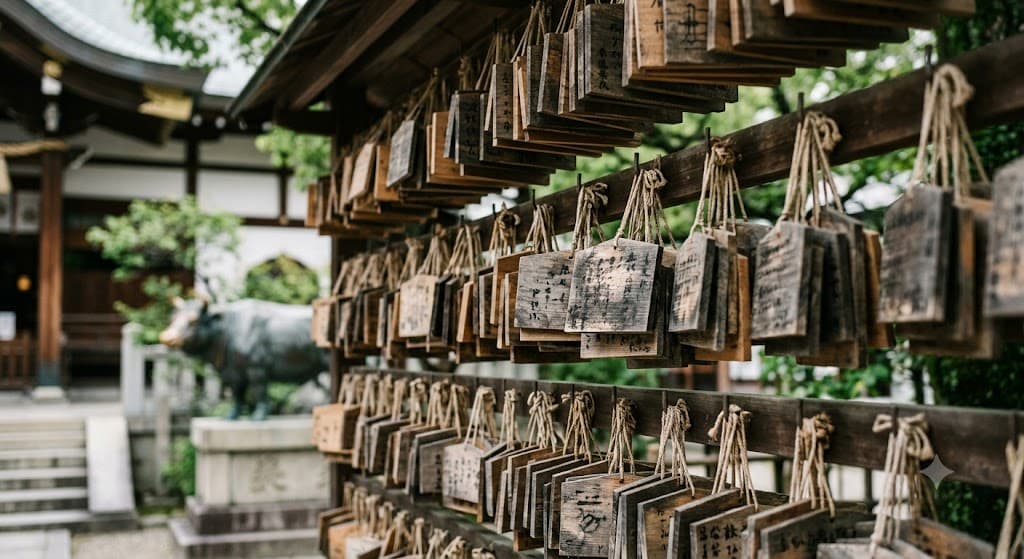 At Tenmangū shrines, students pray to Tenjin for exam success — unaware the gentle god of learning began as one of Japan's most feared vengeful spirits.
Their response was not to fight him but to elevate him. Attributing the disasters to his vengeful spirit, the imperial court built a Shinto shrine, 北野天満宮 (Kitano Tenman-gū), dedicated it to him to appease his anger, and posthumously restored his title and office. And here is the part that reorders your whole sense of the logic: it worked, and then it transformed. Originally enshrined to pacify his angry spirit, over time his association with learning became the dominant focus, and today there are over 12,000 Tenmangū shrines, with countless students visiting each year to pray for academic success.
I knew 天神様 (Tenjin-sama: the heavenly deity) my whole childhood as the kindly god of study, the one you petition before an entrance exam. It was only as an adult that I learned this gentle patron of scholarship began as one of the most feared curses in the country. The reversal genuinely startled me — a terror so great that an empire deified it, sanded down across a thousand years into the friendly face on a student's lucky charm.
The Curse in the Middle of the World's Most Expensive Real Estate
If you want to see this worldview standing upright in modern Tokyo, walk a few minutes from Ōtemachi Station. There, surrounded by glass towers in the financial heart of the city, sits the 将門塚 (Masakado-zuka: the mound of Taira no Masakado) — the grave honoring the head of a Heian warrior who rebelled against the court and was killed for it.
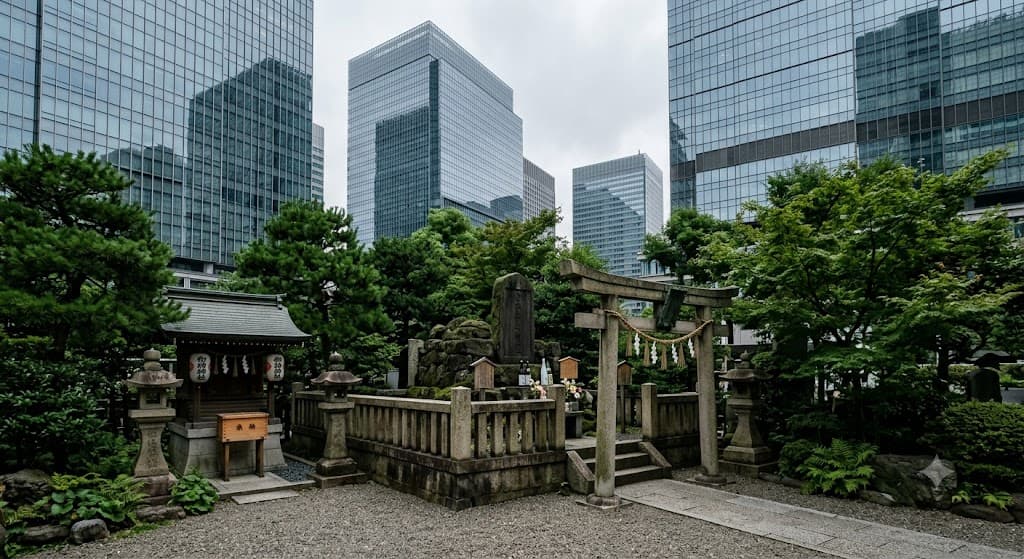 The grave of Taira no Masakado still stands untouched amid Tokyo's financial district, carefully tended so his vengeful spirit stays appeased rather than provoked.
For me this is the most immediate, touchable example of the whole instinct: not to destroy a feared power, but to settle it and keep it appeased. The legends around the site are exactly what the tradition predicts. It has long been believed that disrespect to Masakado's grave would be punished with a curse; when the 1923 earthquake destroyed Tokyo, the Ministry of Finance planned a building there, but it was canceled after the minister and construction workers died mysteriously. Decades later the spirit was formally honored again. In 1984, in response to public pressure, his deity status was reinstated, and today great pains are taken not to anger his ghost.
Along with Michizane and the exiled Emperor Sutoku, Masakado is counted as one of the 日本三大怨霊 (Nihon San Dai Onryō: the Three Great Vengeful Spirits of Japan). That a culture keeps an official roster of its most dangerous ghosts, and tends their graves rather than removing them, tells you something about how seriously the principle is taken. The land the Masakado mound occupies is among the most valuable on earth, and still nobody builds on it. Fear and reverence, in Japan, are two sides of the same coin.
What an Outsider's Eye Reveals About "Settling" Versus "Slaying"
Living outside Japan for many years has done something I did not expect: it has shown me that the instinct underneath Jujutsu Kaisen is not universal at all.
In much of the world, evil is something to be cast out, defeated, and ended. In the stories and the religious frameworks I have lived alongside abroad, demons and dark forces are enemies — and the satisfying ending is their destruction. The Japanese impulse to take a frightening thing and, instead of slaying it, wrap it in a small shrine, hang a rope of straw around it, and worship it as a deity is hard to find elsewhere. A worldview that draws a clean line between good and evil and then eradicates the evil is fundamentally different, at the root, from one that makes a long, careful peace with the things it fears.
I grew up inside the second worldview without noticing it was a choice. As a child, the household held an old Buddhist altar and pasted お札 (ofuda: protective paper talismans), and certain corners — the talisman-marked alcove, the place where an old doll was stored away — carried an unspoken rule: do not touch this. No one fully explained why. You simply understood that some things were not ordinary furniture, that something might be dwelling there, and that the wise posture was respectful distance, not confrontation. The same logic appears in everyday adult life: a visit to the shrine for 厄除け (yakuyoke: warding off an unlucky year), the 地鎮祭 (jichinsai: ground-purification ceremony) before construction, the care taken at お盆 (Obon: the festival welcoming ancestral spirits) to honor the dead rather than fear them. None of these is about fighting and winning. All of them are about not provoking, about keeping things settled and content.
This is exactly why Jujutsu Kaisen's central premise lands so naturally for a Japanese audience and can feel surprising to others. When the anime says a curse can only be exorcised by a curse — that you fight a dark power with a dark power, rather than with pure light — it is restating an old cultural reflex. The dangerous and the divine were never felt to come from opposite places. They were felt to come from the same source.
FAQ
Q: Is the "curse" concept in Jujutsu Kaisen based on a real Japanese belief?
A: Yes. The idea that negative human emotion — resentment, regret, grief — accumulates and becomes a malevolent force is a stylized version of onryō belief and goryō shinkō, religious ideas that shaped Japanese history for over a thousand years.
Q: Why would Japanese people worship a vengeful spirit as a god instead of destroying it?
A: The underlying instinct is to pacify rather than to defeat. A spirit powerful enough to cause disasters was seen as powerful enough to protect, if it could be soothed and honored. Enshrining a feared spirit turned its destructive force into a guardian force.
Q: Is Sugawara no Michizane a real historical person?
A: Yes. He was a real Heian-period scholar and minister who died in exile around 903. After a series of disasters struck the capital, the court enshrined him to calm his spirit, and he gradually became Tenjin, the deity of scholarship still venerated at Tenmangū shrines today.
Key Insights to Remember
- Jujutsu Kaisen's "curses" are a modern dramatization of a deep Japanese conviction: that strong negative emotion is not weightless. Pain and grievance were felt to persist and to act on the world — which is why schools and hospitals, places saturated with human suffering, became the anime's natural haunting grounds and Japan's own folkloric hotspots.
- Goryō shinkō reveals a worldview where the most feared powers and the most revered deities are not opposites but transformations of one another. The terror that made Michizane a curse is the same energy that makes Tenjin a god worth praying to — fearsomeness and holiness as the front and back of a single thing.
- The choice to settle rather than slay is a quiet but profound cultural fork in the road. Seeing it from outside Japan, where evil is more often a thing to be destroyed, throws into relief just how distinctive it is to keep a wronged spirit's grave spotless in the middle of a financial district, and to teach a fictional sorcerer that only a curse can answer a curse.
Sources & References
About the author
Spoiler-free cultural deep-dives into anime, manga & live-action Japanese drama
- ●Tokyo-born, 3rd-generation Edokko (江戸っ子)
- ●Lifelong manga reader & anime viewer since the kaiju era
- ●Writes from outside Japan — distance as a cultural lens
- ●Spoiler-free · sourced · Kanji + Romaji + English
A Tokyo-born, 3rd-generation Edokko writer who has spent years living outside Japan. I use the anime, manga, and live-action Japanese drama you already love as a doorway into the folklore, language, religion, and everyday history behind them — written so even first-time fans can follow along, with sources for every claim.
Enjoy this article?
Get the next spoiler-free cultural deep-dive straight to your inbox.
Related Articles

Vinland Saga and the Paradise Beyond the Western Sea: What Vinland Shares with Japan's Tokoyo and Fudaraku Tokai
How Vinland Saga's warm land beyond the western sea echoes Japan's Tokoyo belief and the Fudaraku tokai monks who once sailed toward a paradise across the water.
7/18/2026
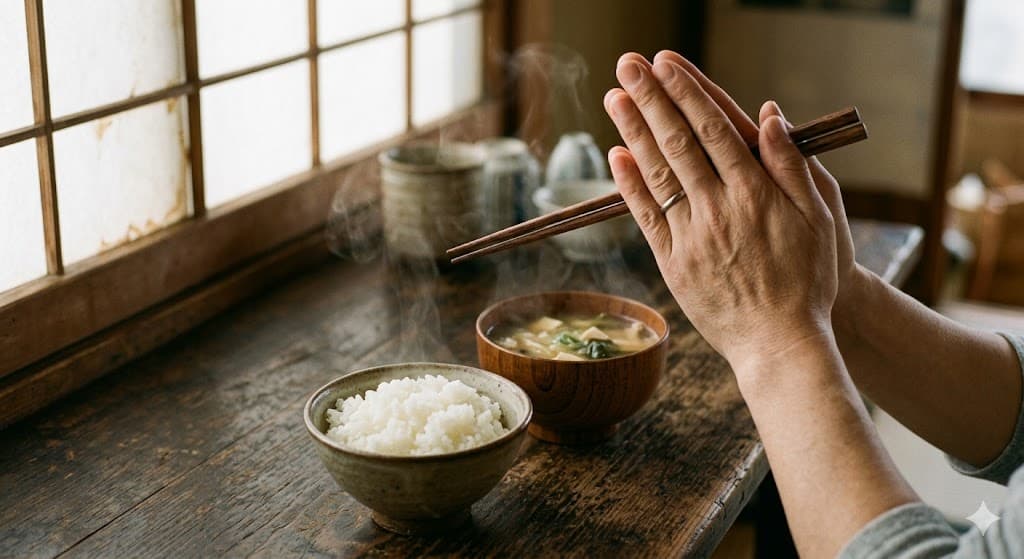
Delicious in Dungeon and Itadakimasu: The Mealtime Word That Means I Receive This Life
How Delicious in Dungeon makes Itadakimasu visible — the Buddhist and Shinto idea of receiving life behind a phrase foreign viewers mistake for let's eat.
6/15/2026

Yu Yu Hakusho and the River Sanzu: The Ferry-Toll, the Stripping Crone, and the Three Crossings of the Dead
How Yu Yu Hakusho's ferrywoman Botan opens a door onto the River Sanzu, where six coins and a clothes-stripping crone decide how the Japanese dead cross over.
6/14/2026
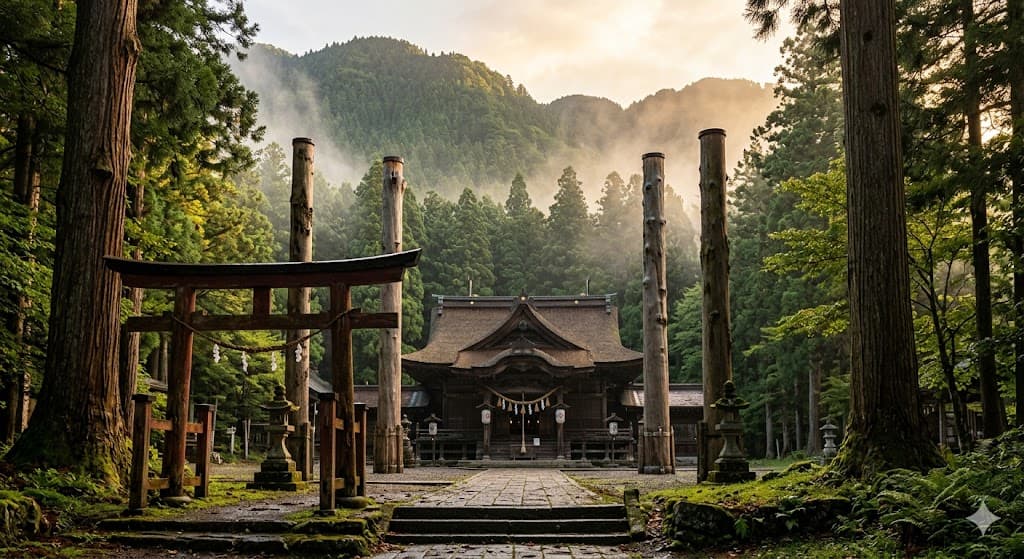
The Elusive Samurai and the Suwa Faith: The Shrine Where the Priest Was Also a Warlord
How The Elusive Samurai uses the priest Suwa Yorishige to open up the Suwa faith — the living-god high priests, the honden-less shrine, and the war god medieval samurai prayed to.
6/8/2026
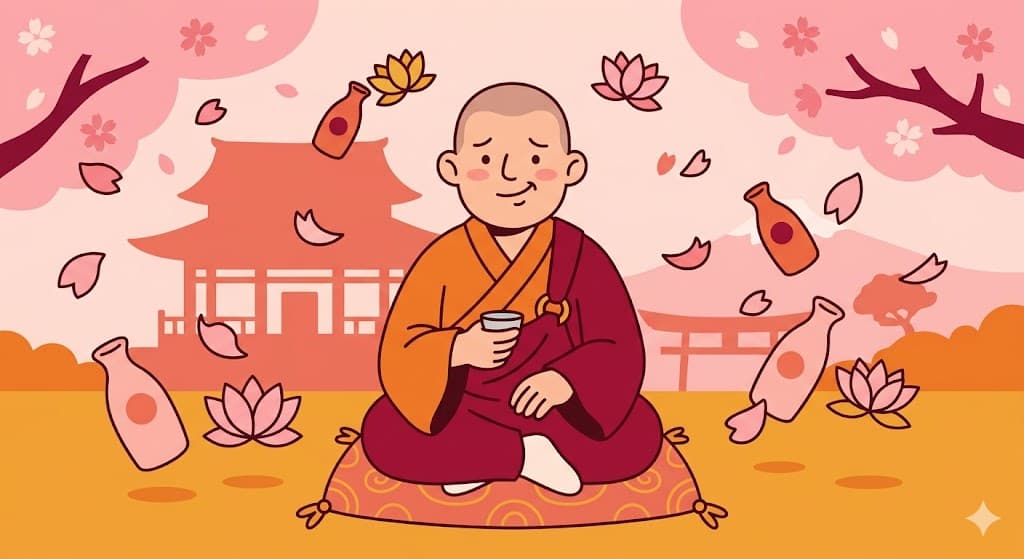
Frieren and the Drinking Monk: Heiter, the 'Corrupt Priest'
How Heiter's running Corrupt Priest joke in Frieren: Beyond Journey's End opens a door into hannyatō and Japan's long, gently bent rule against monks drinking.
5/26/2026
Kengan Ashura and the Buddhist Realm of Strife: Why a Fight Manga Wears the Name of a Warring Deity
How Kengan Ashura draws on the Buddhist concept of 修羅 (Shura) — the warring demigod, the realm of endless combat, and the everyday word for a scene of conflict.
5/15/2026