
About Otaku Pilgrimage
Anime, manga, live-action drama, and the culture of Japan — explained spoiler-free.
What This Site Is For
Anime, manga, and live-action Japanese drama all carry an enormous amount of Japanese cultural memory — Buddhist temple practices behind a comedy about Roman baths, Shinto purification rites behind a fantasy hero's name, Edo-period bathhouse customs behind a slice-of-life scene, the etiquette of power behind a samurai epic. Most of it goes unremarked because, to a Japanese audience, it is just the air the story breathes.
Otaku Pilgrimage uses your favorite works as the doorway into those deeper layers — folklore, language, religion, history, art, and festivals — and writes about them in a spoiler-free way for English-speaking readers who want to understand what they are actually watching and reading.
About the Author

Born and raised in Tokyo as a 3rd-generation Edokko (江戸っ子) — a Tokyoite whose family has lived in the city for three generations. Childhood was spent in Adachi-ku, a working-class northeastern ward, in a single-story house with no bath. Almost every evening meant a one- or two-minute walk to Matsu-no-Yu (松ノ湯), the neighborhood sentō, with its yellow Kerorin basins and a Mount Fuji mural painted across the back wall.
Grew up on kaiju and tokusatsu — Godzilla (ゴジラ), Gamera (ガメラ), Kyojin no Hoshi (巨人の星), Space Battleship Yamato (宇宙戦艦ヤマト) — which were quietly teaching the rhythms and sound symbolism of Japanese long before any of it had a name. Has read manga and watched anime ever since.
Now lives outside Japan, with many years of distance from Tokyo. That distance — both physical and temporal — has become a useful lens for noticing what Japanese culture has quietly preserved and what it has just as quietly let go.
Graduated from Nippon Sport Science University (日本体育大学) — the Japanese university that has produced more Olympic gold medalists than any other.
Self-taught multi-instrumentalist (guitar, drums, piano, alto saxophone), which shapes how the soundtrack and rhythmic textures of anime get noticed, not just heard.
Also a certified Reiki Shihan (レイキ師範) — a Reiki Master in the Japanese healing tradition founded by Mikao Usui (臼井甕男) in 1922 — which adds another quiet thread to how the spiritual undercurrents in anime, manga, and live-action drama get read on this site.
Earlier Media Coverage
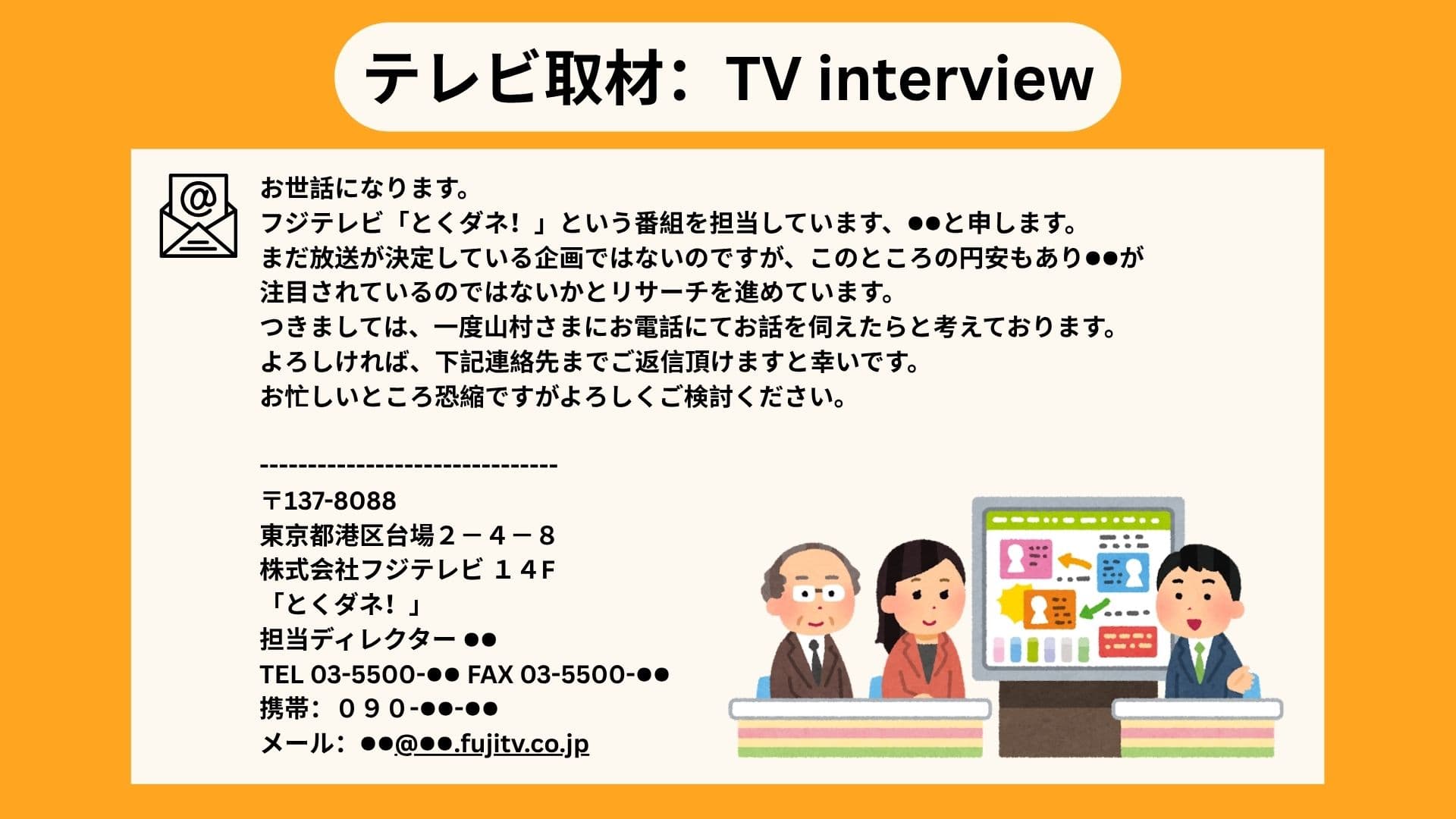
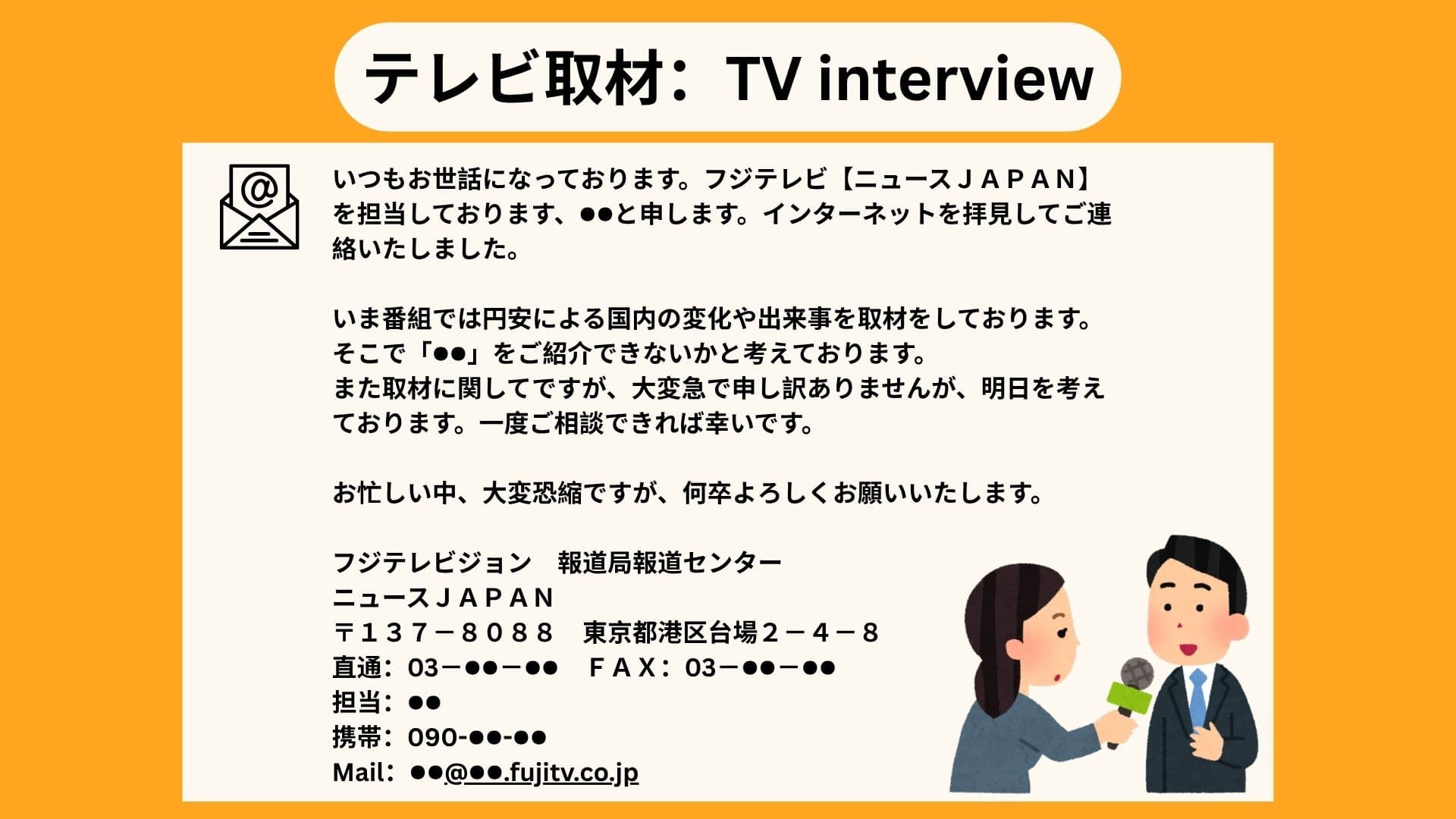
Television and magazine appearances during earlier years in Japan. Included here as background context for how the author thinks about the medium-message relationship at the heart of every cultural article on this site.

What Otaku Pilgrimage Is — and Isn't
✓ What it is
- Spoiler-free cultural deep-dives
- Anime, manga, and live-action drama as the doorway, not the destination
- Folklore, language, religion, history, art, festivals
- Personal childhood memories from Tokyo as the emotional hook
- Sourced citations for every historical and statistical claim
- Written in English for an international pop-culture audience
✗ What it is not
- News, reviews, or release announcements
- Plot summaries or fan-service breakdowns
- A tech, AI, or English-learning blog
- A general "Japan travel" site
- Spoiler analysis or rankings
- Anything that name-checks the author's unrelated background to sell credentials
Editorial Principles
Spoiler-Free, Always
Articles only reference what is publicly known from official synopses or what aired in early episodes. The cultural context is the focus.
Sourced & Verifiable
Every historical claim, statistic, or scholarly reference appears in the Sources section at the end of each article — no inline hand-waving.
Kanji + Romaji + English
Every Japanese term appears in the format 漢字 (Romaji) / English Meaning so readers can recognize, pronounce, and understand without prior knowledge.
Personal Memory as Hook
Each article opens with a specific lived memory — a childhood bathhouse, a kaiju-film evening, a classroom moment — that grounds the cultural argument in something human.
Reflect, Don't Lecture
The site shares observations and questions, not pronouncements. Japanese culture is large and contested; the goal is to invite readers in, not declare conclusions.
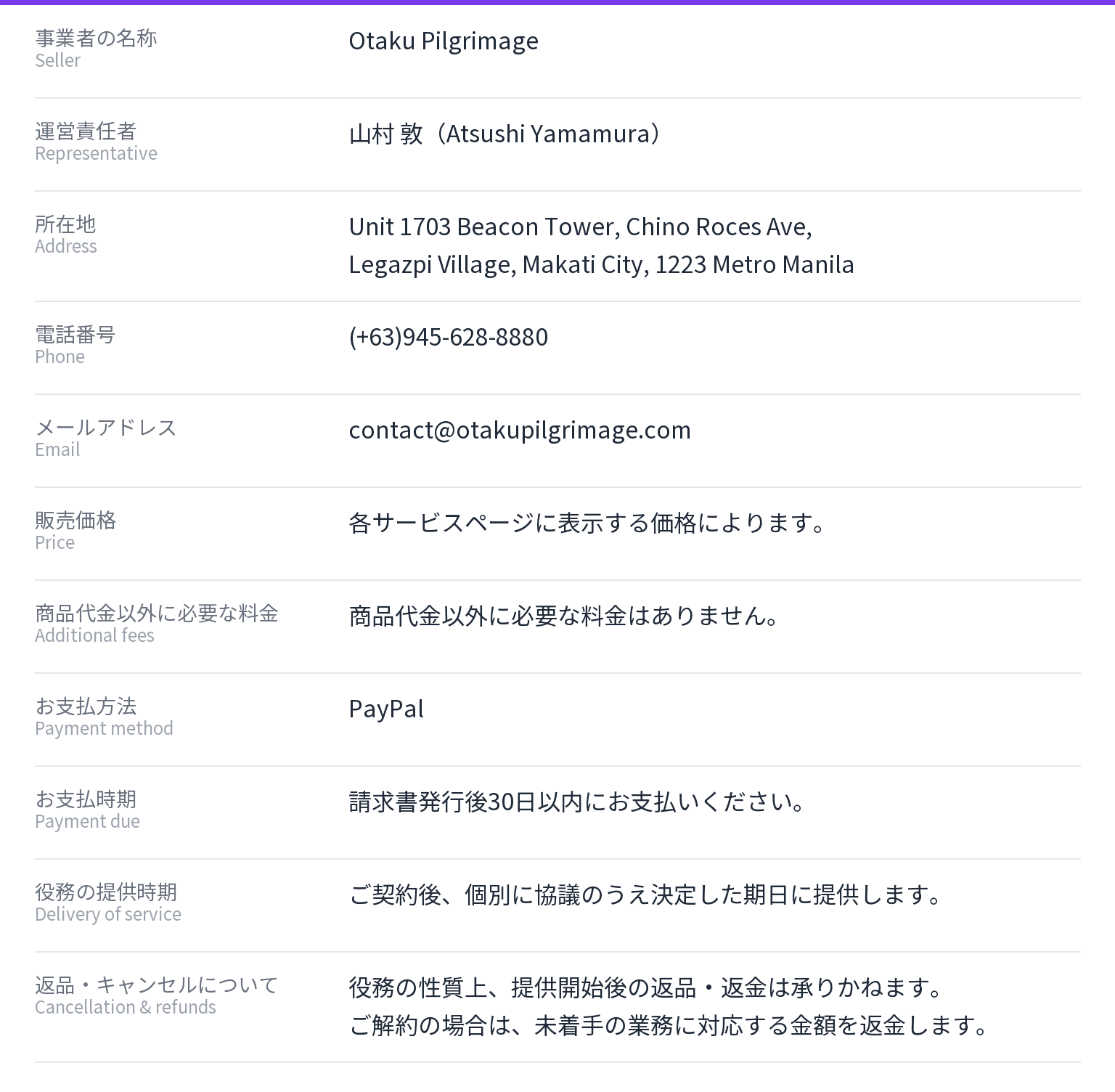
特定商取引法に基づく表記
Stay in the Loop
Get notified when a new spoiler-free cultural deep-dive is published.